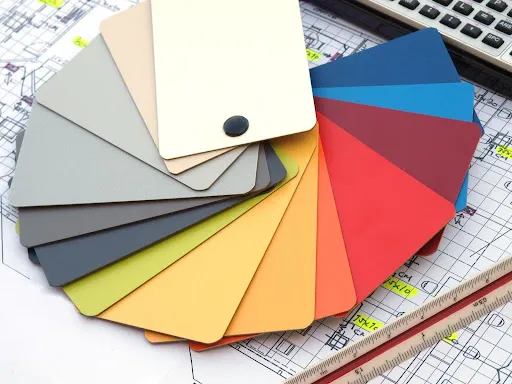
Color is the silent narrator in photography. It can make an image feel warm and welcoming or cold and distant. It can heighten tension, signal nostalgia, or create a sense of calm before the viewer even understands what they’re looking at. Many photographers treat color as something that “just happens,” but learning basic color theory gives you a powerful advantage: you stop reacting to color and start using it deliberately.
The best part is you don’t need to become a designer or memorize complicated terminology. You only need a few simple concepts and a habit of paying attention. Once you do, your photos become more intentional, more consistent, and often more emotionally compelling.
What Color Theory Means in Photography
Color theory is simply the study of how colors relate to each other and how those relationships affect perception.
In photography, color theory helps you answer questions like:
Why does this photo feel cozy?
Why does that scene look chaotic?
Why do some images feel “expensive” and others feel messy?
Why does one color grade make people look healthy while another makes them look tired?
Color is not just decoration. It’s structure. It guides the eye, shapes mood, and creates visual harmony or tension.
The Three Key Color Qualities: Hue, Saturation, and Brightness
Most color decisions in photography come back to three qualities:
Hue is the actual color family, like red, blue, green, or yellow.
Saturation is how intense the color is. High saturation looks bold and vivid. Low saturation looks muted and calm.
Brightness, sometimes called luminance, is how light or dark a color appears. A bright red and a dark red are the same hue but feel very different emotionally.
If you learn to separate these qualities in your mind, you gain control. You can change a photo’s mood by adjusting just one element rather than trying to “fix everything.”
Warm Colors Versus Cool Colors
One of the simplest and most useful concepts is the warm versus cool split.
Warm colors include reds, oranges, and yellows. They tend to feel energetic, intimate, and inviting. Think candlelight, sunsets, autumn leaves, and warm skin tones.
Cool colors include blues, greens, and purples. They often feel calm, distant, moody, or modern. Think fog, shade, winter light, and ocean tones.
Warm and cool are not good or bad. They are emotional tools. A warm image can feel nostalgic or romantic. A cool image can feel peaceful or mysterious.
Consistency improves when you decide which direction fits your story. If you want a cohesive look across a set of photos, keep your warm-cool balance similar from image to image.
The Color Wheel in Plain English
The color wheel is simply a map of how colors relate.
Colors next to each other are called analogous colors. They usually feel harmonious because they share similar tones. Blue and green. Red and orange. Yellow and green. Analogous palettes are common in nature, which is why they often feel natural and pleasing.
Colors opposite each other are called complementary colors. They create strong contrast and energy. Blue and orange. Red and green. Purple and yellow. Complementary color relationships are powerful because they instantly draw attention.
You do not need to memorize the wheel. You just need to notice these relationships in scenes you photograph.
Using Complementary Colors for Impact
Complementary colors are a simple way to make photos feel intentional. When you place opposites together, the image pops without needing heavy editing.
A person in a blue jacket standing against an orange wall creates instant visual energy. A red subject against a green background feels bold and striking.
This is why many cinematic color grades lean into complementary relationships, especially the classic blue-and-orange balance. It creates contrast while still looking natural because skin tones live in the warm range.
To use complementary colors in your photography, look for them in your environment. Street signs, clothing, painted walls, and natural landscapes often provide ready-made palettes.
Using Analogous Colors for Calm and Cohesion
Analogous colors create harmony and a sense of flow. If you photograph a scene dominated by blues and greens, it tends to feel calm and unified. If you photograph warm autumn tones, the image feels cozy and consistent.
Analogous palettes are especially useful for storytelling, lifestyle, and brand photography because they feel stable. They are less visually aggressive than complementary palettes, which helps create a gentle emotional tone.
If you want a consistent style, analogous color thinking is your friend. It helps you create images that feel like they belong together even when the subjects change.
Color Temperature and White Balance
Color temperature is one of the most important practical tools for photographers.
Daylight is relatively neutral. Shade is cooler. Tungsten indoor light is warmer. Fluorescent light often creates a green cast.
White balance is your camera’s way of guessing what “neutral” should look like. When white balance is off, your entire image shifts warm or cool.
For consistent results, avoid leaving white balance on full auto if you’re shooting in mixed lighting. Either set it manually or correct it in post. Shooting RAW gives you much more flexibility.
The goal is not perfect neutrality. The goal is intentionality. Sometimes a warm indoor cast is exactly what makes the image feel real and inviting. Sometimes cooling it down creates the mood you want. Just make it a choice, not an accident.
Color and Emotion: The Simple Version
Color influences emotion because humans associate colors with experiences.
Warm tones often feel:
- Comforting
- Energetic
- Romantic
- Nostalgic
Cool tones often feel:
- Calm
- Lonely
- Modern
- Mysterious
Green can feel natural or uneasy depending on context. Red can feel passionate or alarming. Yellow can feel joyful or sickly depending on brightness and saturation.
These are not rigid rules, but they are useful signals. When editing, ask whether your color choices match the emotional intent of the photo.
Saturation: The Most Common Trap
Saturation is one of the easiest sliders to overuse. Increasing saturation can make an image look exciting at first, but it can also quickly make it look artificial.
High saturation works well in certain styles, such as travel, festivals, and vibrant street scenes. But it can harm skin tones and reduce the sense of realism if pushed too far.
Muted colors often feel more timeless. That’s why many photographers reduce saturation slightly and rely on contrast and composition for impact.
A practical approach is to adjust saturation selectively. Boost a single color you want to emphasize, while keeping the rest controlled.
Color Contrast: More Than Just Opposites
Color contrast is not only about complementary colors. It also includes contrast in brightness.
A bright color against a dark background stands out. A dark color against a bright background feels grounded. Sometimes luminance contrast is more powerful than hue contrast because it controls what the eye notices first.
When composing, look for contrast in both color and brightness. This helps your subject stand out without needing extreme edits.
Building a Consistent Color Style
If you want a recognizable photographic style, color is one of the quickest ways to get there.
Start by reviewing your favorite images and identify patterns:
- Do they lean warm or cool?
- Do they look muted or vivid?
- Do they rely on complementary contrast or harmonious palettes?
- Are shadows lifted or deep?
- Are highlights soft or crisp?
Once you see the patterns, you can reinforce them intentionally in future shoots and edits. Consistency comes from repeating thoughtful decisions.
Learning Color Theory by Studying Great Images
You can improve your color instincts quickly by studying photos you already admire.
This includes analyzing high-quality stock photos. The best stock imagery often uses clean, readable color palettes that communicate mood instantly, which is exactly what good color theory does. When you look at a strong stock image, pay attention to how many dominant colors it uses, whether the palette is warm or cool, and how contrast guides your attention.
This kind of study trains your eye to recognize effective color relationships in real-world scenes.
Simple Color Theory Habits You Can Use Today
Limit your palette. Try composing with two or three dominant colors rather than many.
Choose one “hero color.” Decide what color you want to emphasize and let everything else support it.
Watch skin tones. Skin is sensitive to color shifts. Keep it natural unless stylization is intentional.
Be consistent with white balance. Small shifts change mood more than you think.
Edit with breaks. Color decisions get weird when you stare too long.
Color as a Creative Shortcut
Color theory is not about making photography complicated. It is about giving you a shortcut to better decisions.
When you understand basic color relationships, you see scenes differently. You recognize harmony and tension. You notice when a background clashes with your subject. You can build consistency across a series without guessing.
Most importantly, color theory helps you make photos that feel intentional. And in photography, intention is what separates a snapshot from an image that lingers.
